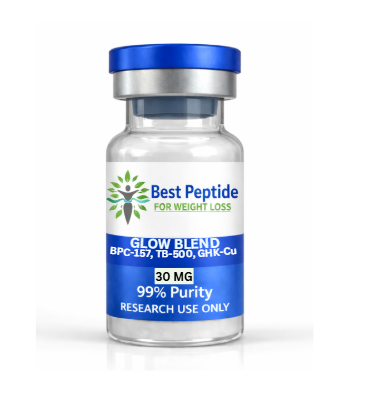
GLOW (BPC 157 10mg + GHK-CU 50mg + TB500 10mg) 30mg × 10 vials
$180.00
BBG70 Glow peptide combo 70mg in 10 vials.
Glow Blend Peptide for Weight Loss and Body Recomposition Support
Glow blend peptides are widely recognized as a multi-peptide research stack studied for their role in skin rejuvenation, tissue repair, and overall cellular health. On Best Peptides for Weight Loss, this concept is expanded further—positioning glow blends as supportive compounds within broader body recomposition and metabolic optimization strategies.
Unlike surface-level cosmetic approaches, glow peptide research focuses on internal biological signaling. This includes pathways linked to collagen production, inflammation control, and cellular repair—factors that indirectly support a leaner, healthier physique when combined with structured weight loss protocols.
You can explore similar advanced stacks and supportive compounds in our peptide collections or browse targeted options within our weight loss peptides category.
What Is a Glow Stack Peptide?
A glow stack peptide refers to a synergistic formulation that combines multiple peptides to influence several biological pathways simultaneously. This stacked approach is commonly associated with GHK-Cu, BPC-157, and TB-500—each studied for unique regenerative and recovery-focused functions.
When integrated into research models, these peptides are often explored alongside metabolic regulators such as GLP-1 peptides or fat-loss compounds like semaglutide to create more complete weight management and recovery-focused protocols.
Glow Blend Peptide
The glow blend peptide model emphasizes synergy, balance, and compatibility between compounds. Instead of relying on a single peptide, blend formulations are designed to support:
- Cellular communication
- Tissue remodeling
- Inflammatory response regulation
- Recovery and regeneration pathways
This makes glow blends a strong complementary option for individuals or researchers exploring fat loss, recovery, and aesthetic improvement simultaneously.
Glow Peptide Dosage
Glow peptide dosage is strictly defined within research settings. There is no standardized dosage, as these compounds are not approved for human or veterinary use.
Concentration and application depend on:
- Study design
- Model systems
- Research objectives
Researchers often evaluate glow blends alongside other compounds such as ipamorelin or CJC-1295 to better understand combined effects on recovery and metabolism.
Glow Peptide Protocol
A glow peptide protocol refers to the structured framework used to study peptide interactions and biological outcomes. These protocols vary depending on whether the focus is on:
- Skin regeneration
- Tissue repair
- Inflammation pathways
- Cellular signaling
In weight loss–focused environments, glow blends may be included as supportive agents alongside fat-loss–specific peptides such as tirzepatide or next-generation options like retatrutide.
Key Components of Glow Blend Peptides
GHK-Cu (Copper Peptide)
GHK-Cu is a copper-binding peptide researched for its role in:
- Collagen and elastin signaling
- Skin firmness and elasticity
- Tissue remodeling
- Anti-aging pathways
It is commonly featured in skin-focused research and can be explored further in our GHK-Cu peptide category.
BPC-157
BPC-157 is studied for its potential effects on:
- Muscle and tendon repair
- Gut and connective tissue signaling
- Inflammation modulation
- Recovery from physical stress
Its regenerative profile makes it a valuable addition to both recovery and recomposition-focused peptide stacks, especially when combined with compounds in the BPC-157 category.
TB-500 (Thymosin Beta-4)
TB-500 is widely researched for:
- Cellular migration and repair
- Tissue flexibility
- Anti-inflammatory signaling
- Muscle recovery
You can explore related recovery-focused peptides in the TB-500 category.
Common Uses and Benefits (Research Context)
In research settings, glow blend peptides are explored for:
- Skin health and collagen signaling
- Elasticity and anti-aging pathways
- Tissue repair and recovery models
- Inflammation regulation
- Hair and skin vitality studies
When combined with metabolic peptides like cagrilintide or advanced fat-loss agents, these blends contribute to the concept of improving both internal health and external appearance during weight loss.
Where to Buy Glow Blend Peptides Online
Sourcing high-quality peptides is critical for consistency and reliability. At Best Peptides for Weight Loss, you can find trusted options such as the Glow Blend itself, along with complementary products like BPC-157 and TB-500 blends for enhanced recovery-focused research.
We prioritize:
- Verified purity and batch testing
- Transparent sourcing
- Reliable supply chains
You can also stay updated with research insights and peptide applications through our blog.
Frequently Asked Questions
What is Glow Peptide?
Glow peptides are multi-compound research blends studied for their effects on skin-related biological processes, cellular repair, and systemic recovery.
What is in Glow Peptide?
They typically include peptides like GHK-Cu, BPC-157, and TB-500, each contributing to regeneration, elasticity, and inflammation-related pathways.
What is Glow Peptide used for?
In research, glow peptides are explored for skin rejuvenation, tissue repair, and recovery—often alongside weight loss peptides for comprehensive body optimization.
How is Glow Peptide used?
Usage is limited to controlled laboratory research. Handling and application depend on experimental design and must follow strict guidelines.
How is Glow Peptide prepared?
Preparation typically involves reconstitution of lyophilized peptides using sterile solutions such as those found in the bacteriostatic water category.
Safety and Research Disclaimer
All Glow Blend Peptides are intended strictly for research and educational purposes. They are not approved for human consumption, injection, or medical treatment. Proper handling and usage must comply with laboratory standards and regulatory requirements.